



Inspection

Modern drones are transforming how inspections are done across many industries. They change how data is collected and analyzed, while greatly improving worker safety. By keeping inspectors on the ground, drones remove the need to enter dangerous environments. This reduces risks from heights, harsh weather, wind, waves, and other hazardous conditions, helping prevent accidents and protect worker health.

Access Hard-to-Reach Areas

Drones easily inspect rooftops, towers, bridges, and confined spaces without scaffolding or lifts.

Reduce Risk & Downtime

Keep workers safely on the ground and avoid shutting down operations for manual inspections.

High-Resolution Data Collection

Capture detailed imagery and thermal data for faster, more accurate assessments.

INSPECTION DRONES

Beyond safety, drones deliver superior data quality at accelerated speeds compared to traditional inspection methods. They offer unparalleled aerial perspectives, previously achievable only with costly and logistically complex solutions like cranes, lifts, or manned aircraft. Drones excel in navigating confined and challenging spaces, such as under bridges, inside cooling towers, and atop towering structures. Depending on the application, a simple high-resolution camera drone may suffice, while more demanding scenarios necessitate specialized platforms equipped with advanced payloads like high-zoom cameras, thermal imaging sensors, LiDAR, or gas detection equipment (e.g., methane detectors).

Infrastructure Inspections
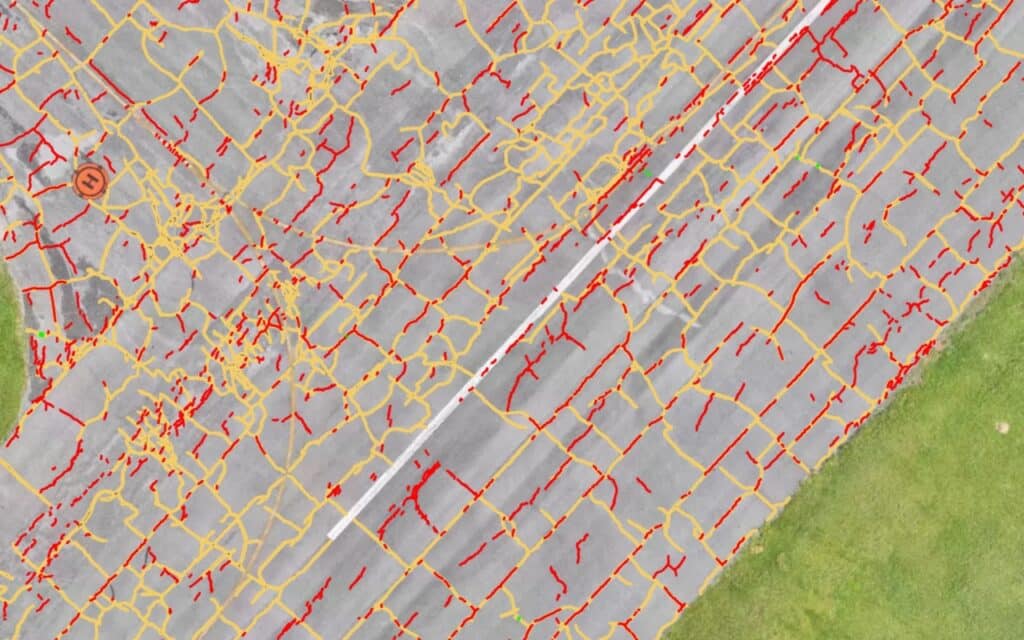
  • Bridges and Roads: Drones inspect structural integrity, detect cracks, corrosion, and erosion, and monitor road surface conditions.
  • Power Lines and Towers: Drones identify damaged insulators, loose connections, and vegetation encroachment, improving grid reliability.
  • Pipelines: Drones detect leaks, corrosion, and damage along pipelines, preventing environmental hazards and ensuring safe operation.
  • Dams and Levees: Drones monitor structural integrity, detect seepage, and assess erosion, safeguarding water resources and downstream communities.

Industrial Inspections

  • Oil and Gas Facilities: Drones inspect tanks, pipelines, and offshore platforms for leaks, corrosion, and structural damage, enhancing safety and efficiency.
  • Renewable Energy: Drones inspect wind turbine blades and solar panels for damage, optimizing energy production.
  • Manufacturing Plants: Drones inspect hard-to-reach areas, such as roofs, tanks, and chimneys, for damage and maintenance needs.
  • Cooling Towers: Drones are used to inspect the internal and external structure of cooling towers, to detect damage and deterioration.

Environmental Inspections

  • Wildlife Monitoring: Drones track animal populations, monitor habitat health, and detect poaching activities.
  • Environmental Compliance: Drones monitor industrial emissions, detect pollution, and assess environmental damage.
  • Disaster Response: Drones assess damage after natural disasters, such as floods and earthquakes, aiding in rescue and recovery efforts.

Insurance Inspections

  • Drones assess property damage after storms, fires, and other events, expediting claims processing.
  • Drones are used to inspect roofs and other hard to reach areas, for underwriting purposes.

Infrastructure Inspections

  • Bridges and Roads: Drones inspect structural integrity, detect cracks, corrosion, and erosion, and monitor road surface conditions.
  • Power Lines and Towers: Drones identify damaged insulators, loose connections, and vegetation encroachment, improving grid reliability.
  • Pipelines: Drones detect leaks, corrosion, and damage along pipelines, preventing environmental hazards and ensuring safe operation.
  • Dams and Levees: Drones monitor structural integrity, detect seepage, and assess erosion, safeguarding water resources and downstream communities.

Industrial Inspections

  • Oil and Gas Facilities: Drones inspect tanks, pipelines, and offshore platforms for leaks, corrosion, and structural damage, enhancing safety and efficiency.
  • Renewable Energy: Drones inspect wind turbine blades and solar panels for damage, optimizing energy production.
  • Manufacturing Plants: Drones inspect hard-to-reach areas, such as roofs, tanks, and chimneys, for damage and maintenance needs.
  • Cooling Towers: Drones are used to inspect the internal and external structure of cooling towers, to detect damage and deterioration.

Environmental Inspections

  • Wildlife Monitoring: Drones track animal populations, monitor habitat health, and detect poaching activities.
  • Environmental Compliance: Drones monitor industrial emissions, detect pollution, and assess environmental damage.
  • Disaster Response: Drones assess damage after natural disasters, such as floods and earthquakes, aiding in rescue and recovery efforts.

Insurance Inspections

  • Drones assess property damage after storms, fires, and other events, expediting claims processing.
  • Drones are used to inspect roofs and other hard to reach areas, for underwriting purposes.
Click to access the login or register cheese